
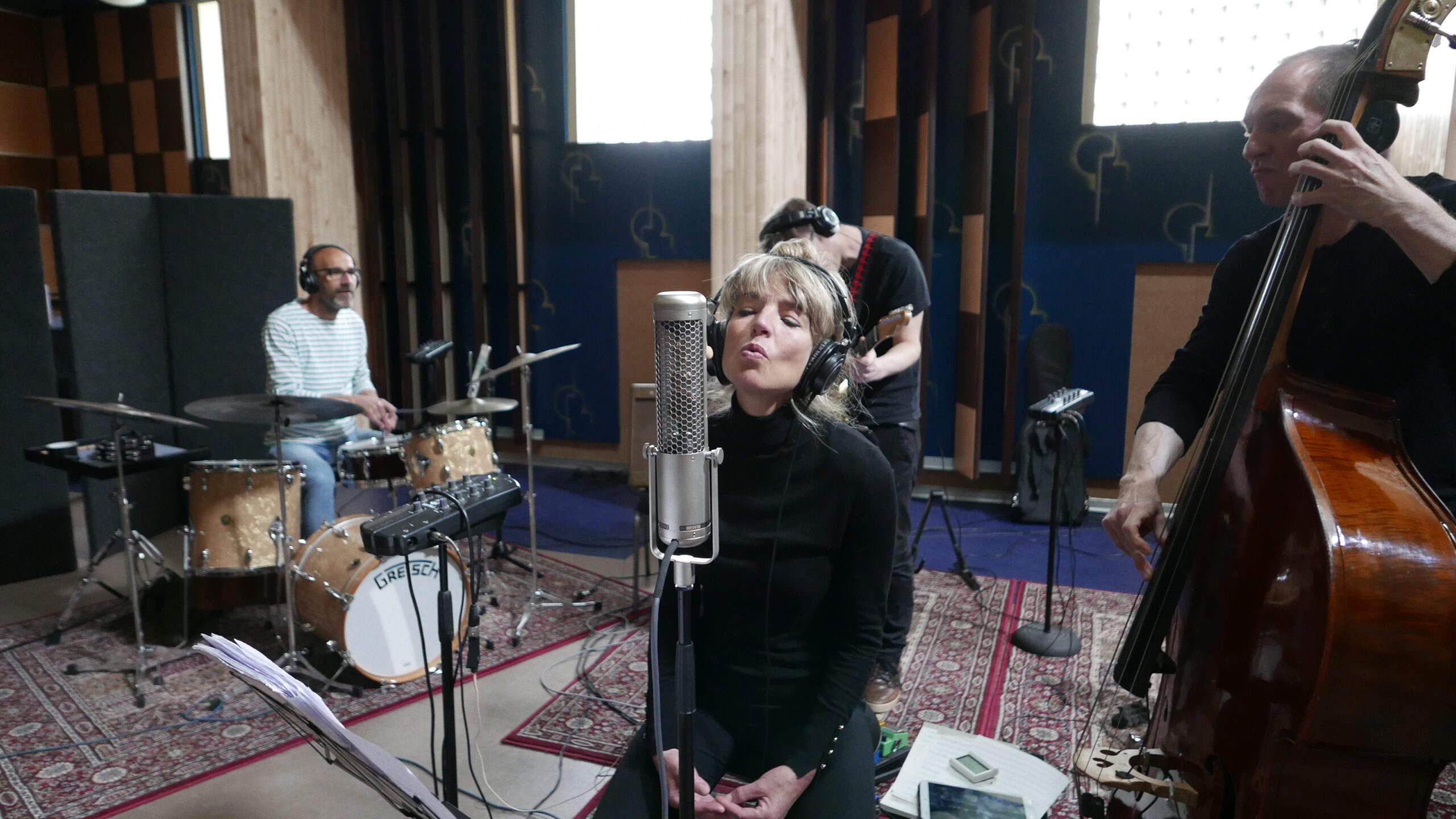
Music capturing and loudspeaker playback
represent the most critical conversion processes within the context of a modern musical chain.
Siegfried Linkwitz took extraordinary care in handling the loudspeaker playback side. Particularly by reducing spatial distortion, when rendering with full-range dipoles.
On the music capturing side, we aim to highlight a technique, that can deliver very natural and authentic results. This technique essentially consists basically of just a stereo microphone, paired with sensible recording skills.
We want to encourage young sound engineers to immerse themselves in this non-mainstream technique. Experience minimal microphoning!
Engage with one-mic experts, have fun, and send us your masterpiece.
LINKWITZ Minimum Microphoning Medal
2025 winner:
Alice van Biesen and Giorgos Dekos (Netherlands)
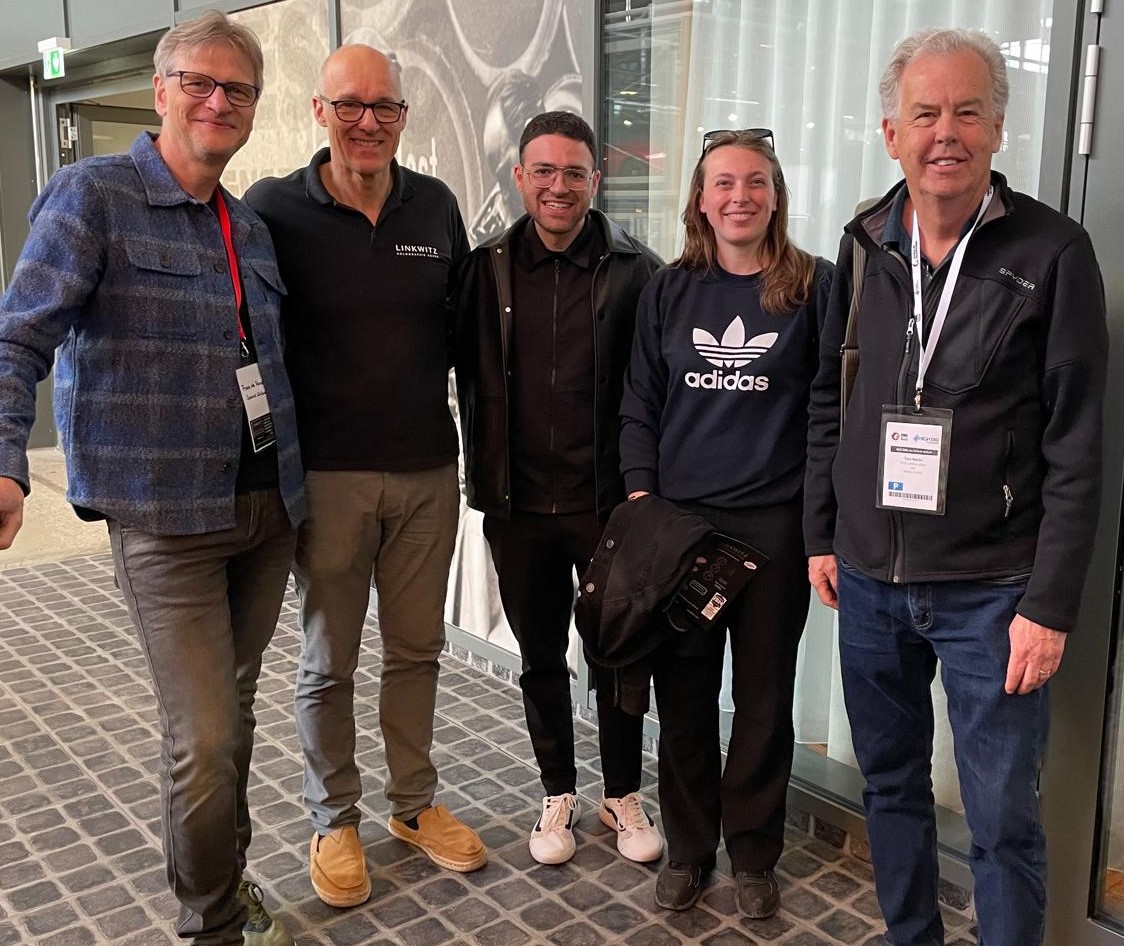
At the Munich Audio Show, the winners Alice van Biesen and Giorgos Dekos
received the winner Medal and the prize money of 1000USD
LINKWITZ Minimum Microphoning Medal
2026 winner :
Lobos Solitarios (Argentina)
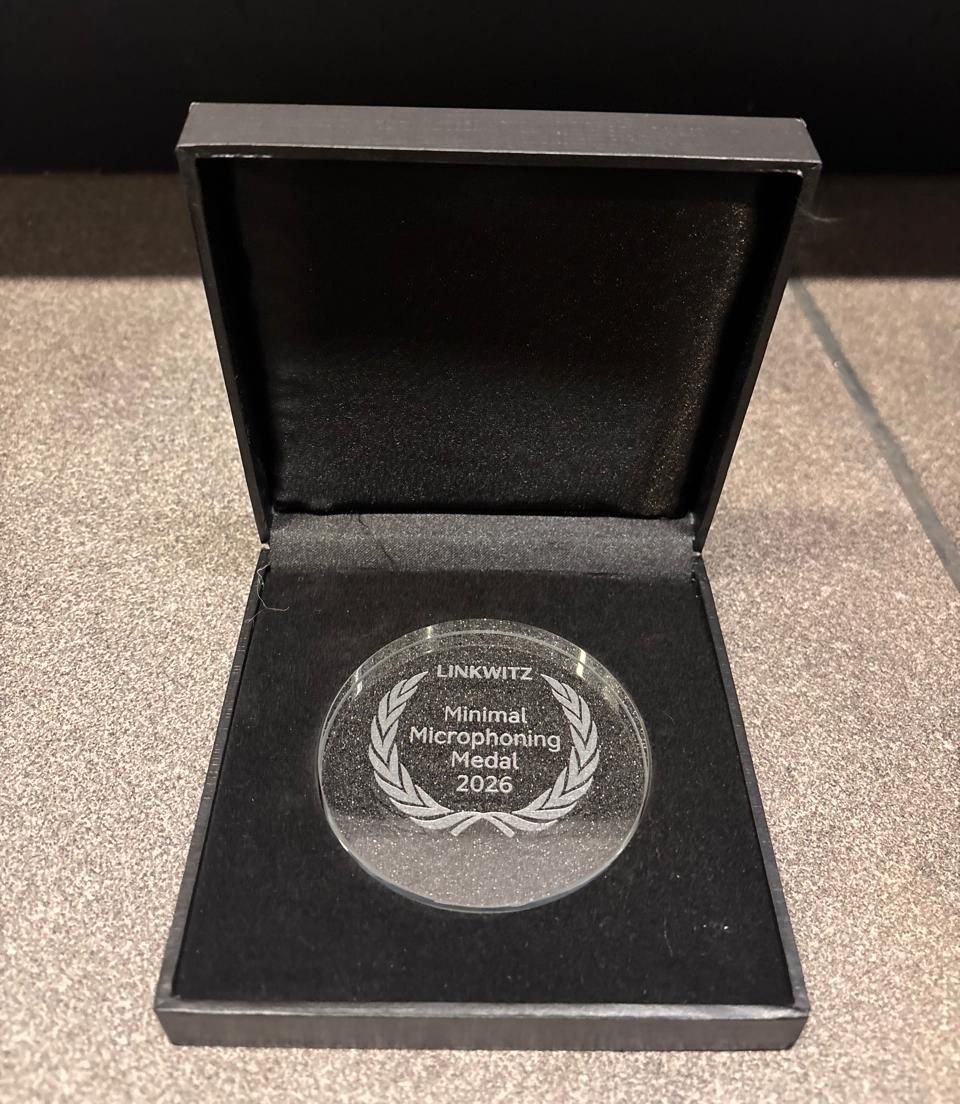
Lobos Solitarios received the winner medal at a ceremony during
the Highend Show www.baheshow.com, August 29th, 2026.
In the vibrant and beautiful city of Buenos Aires:
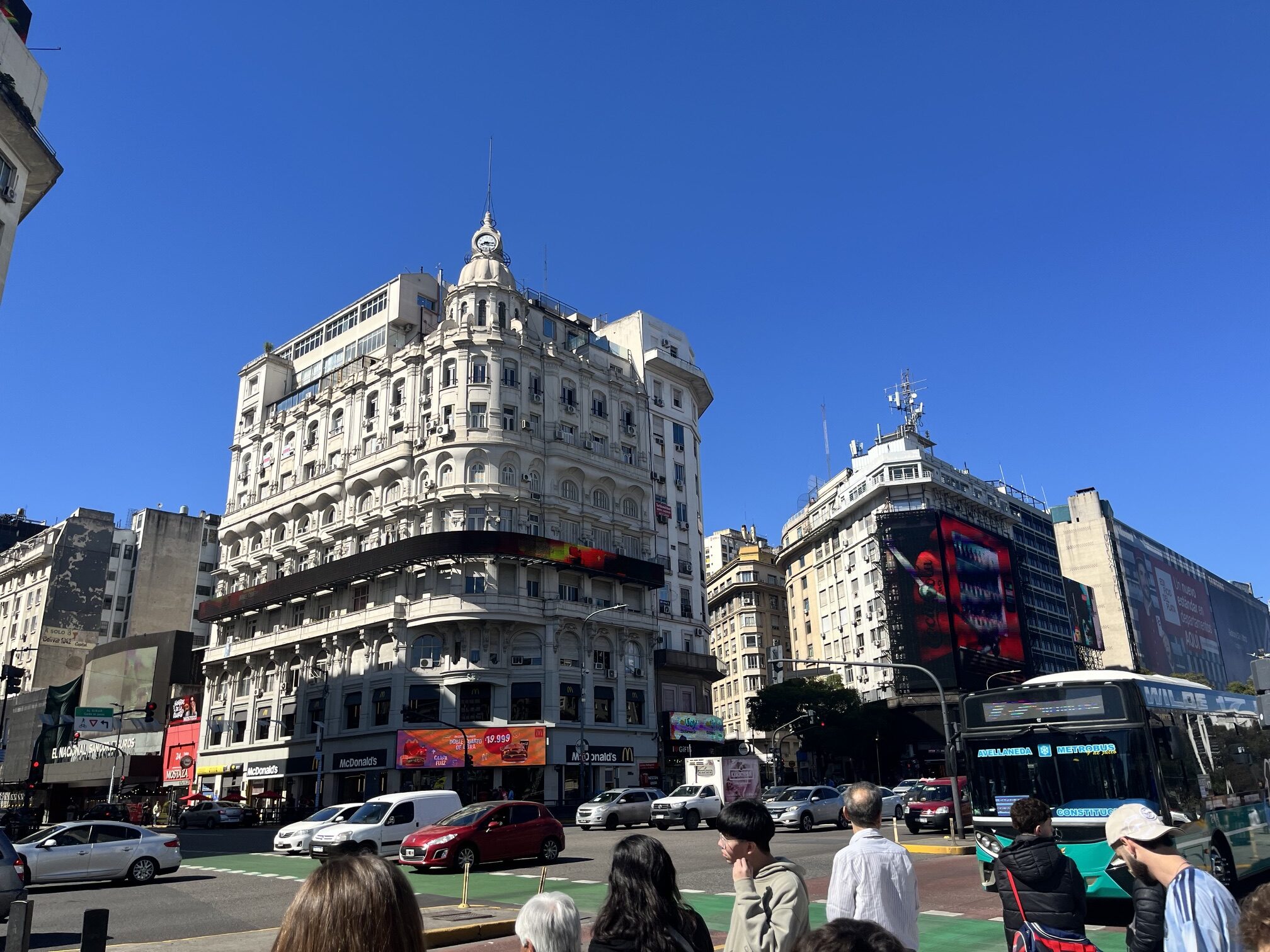
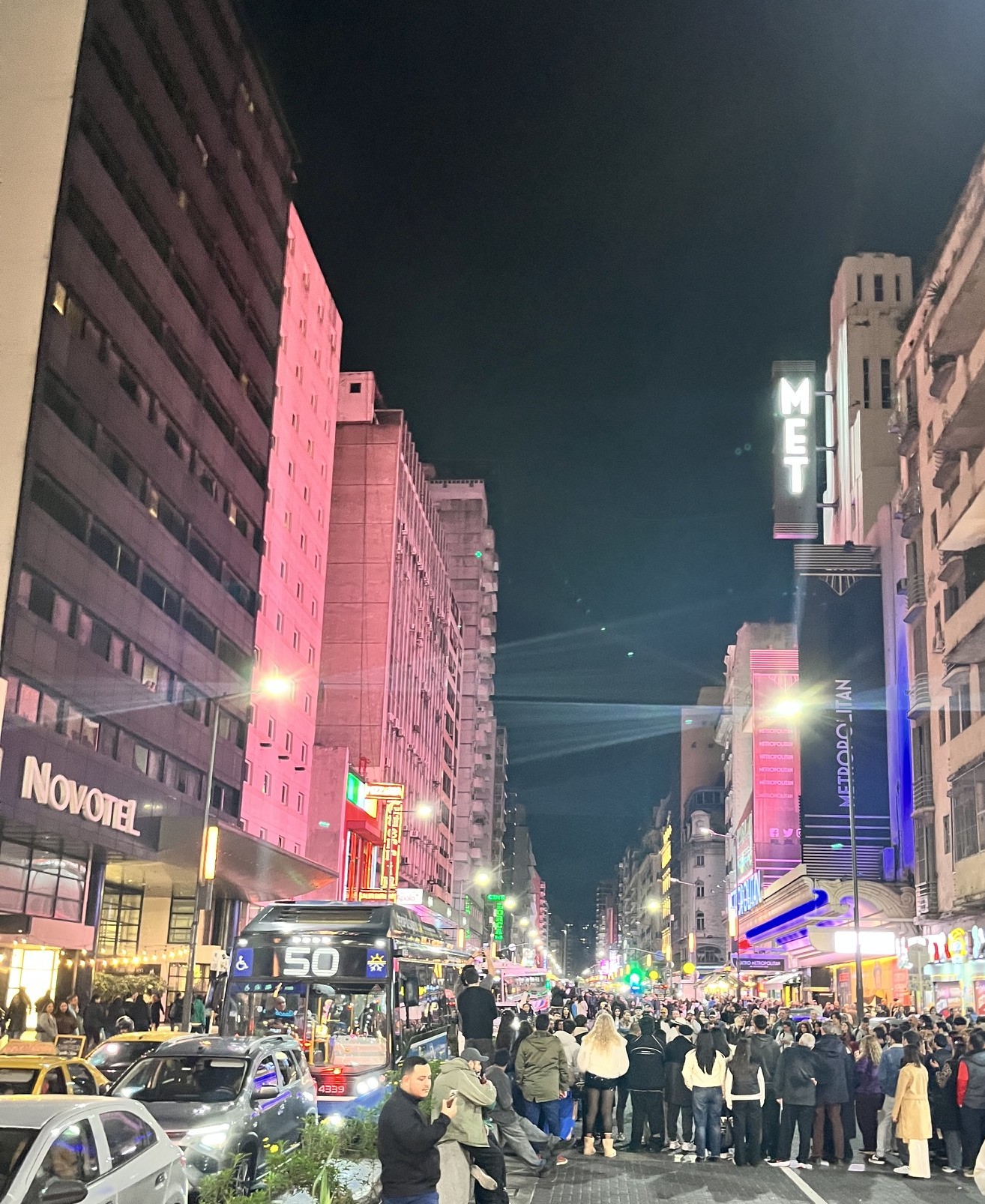

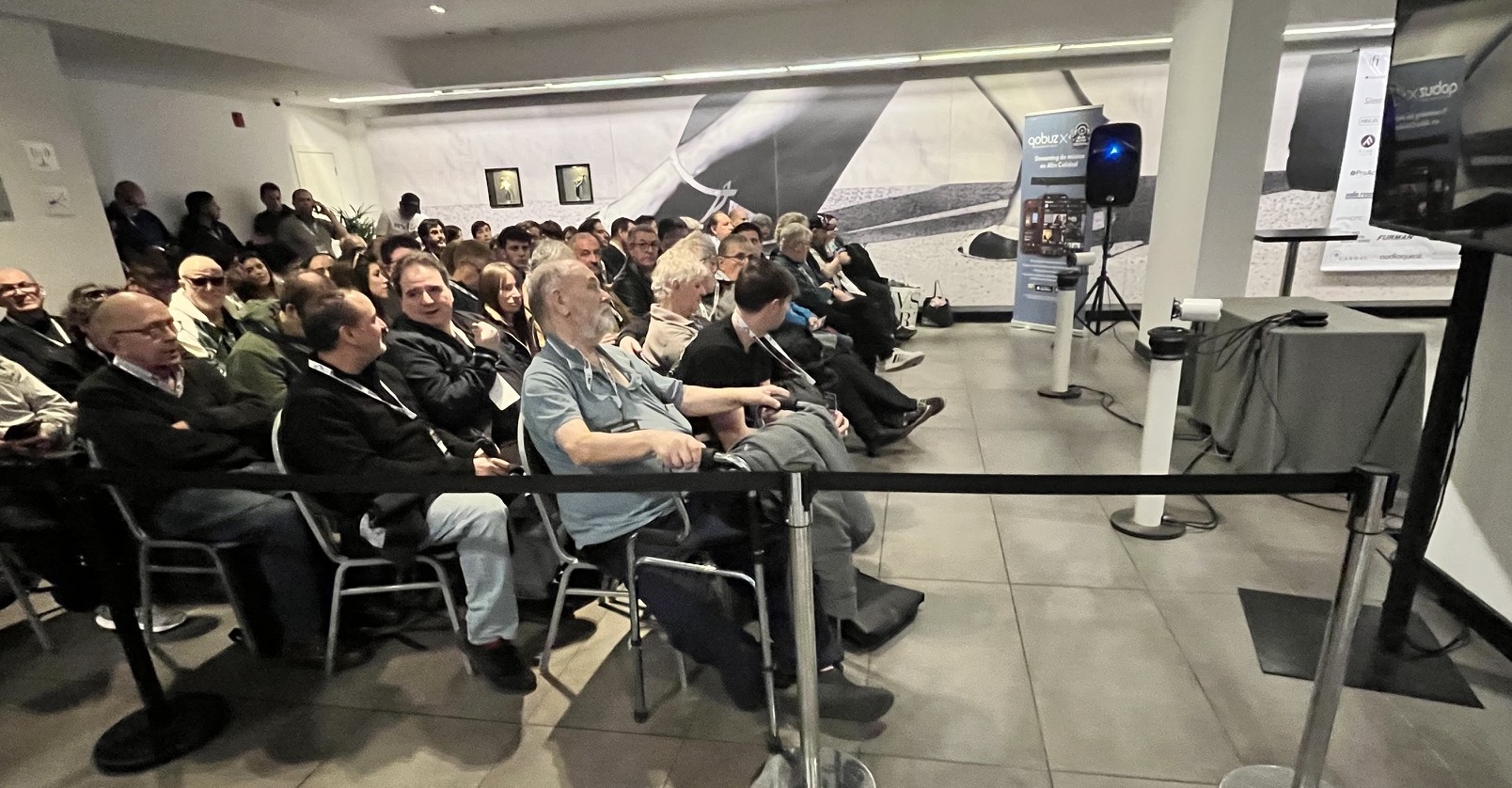
The winner song was presented by mastering engineer Daniel Ovie
to the audience
on LXmini system with ASP (Nelson Pass-kit)
Daniel Ovie (Linkwitz Lounge Buenos Aires)
introduced the audience to the purpose
and the background of the contest.
In order to promote this sensible recording technique
among the next generation of sound engineers.
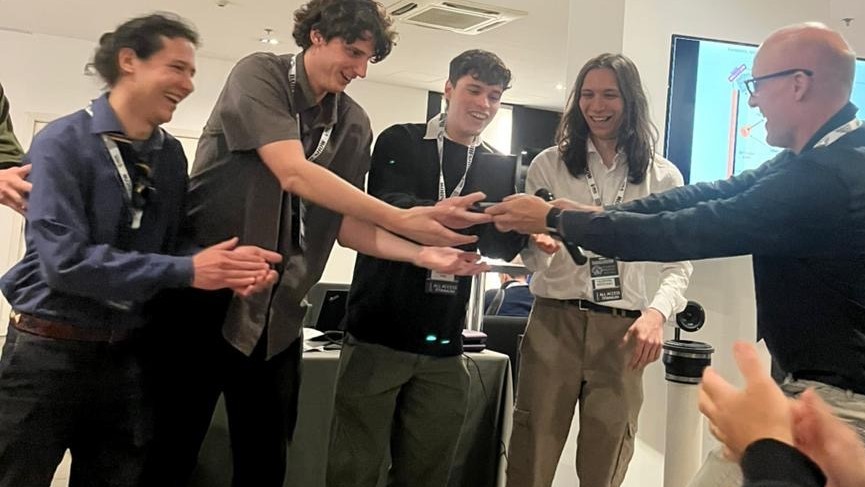
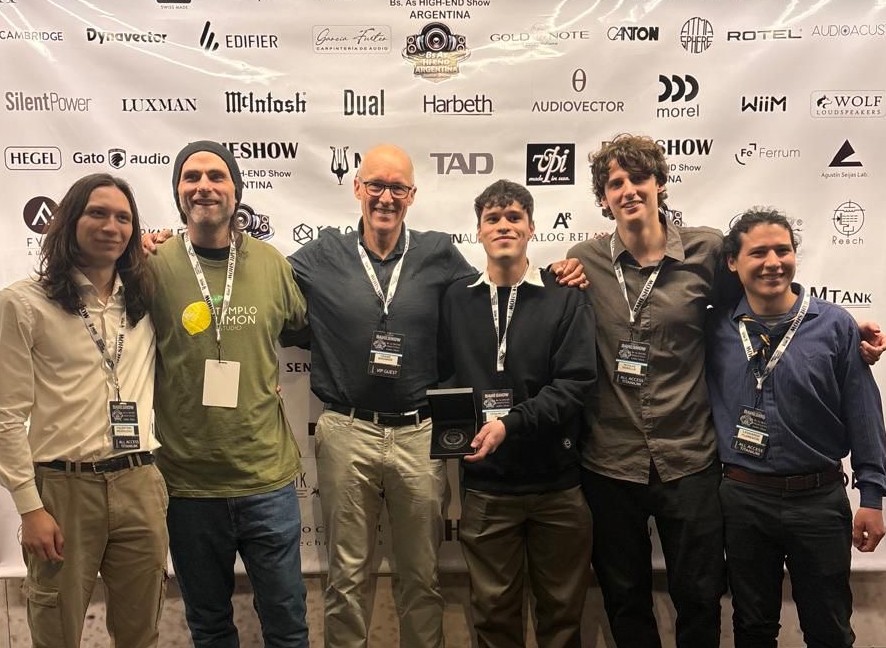
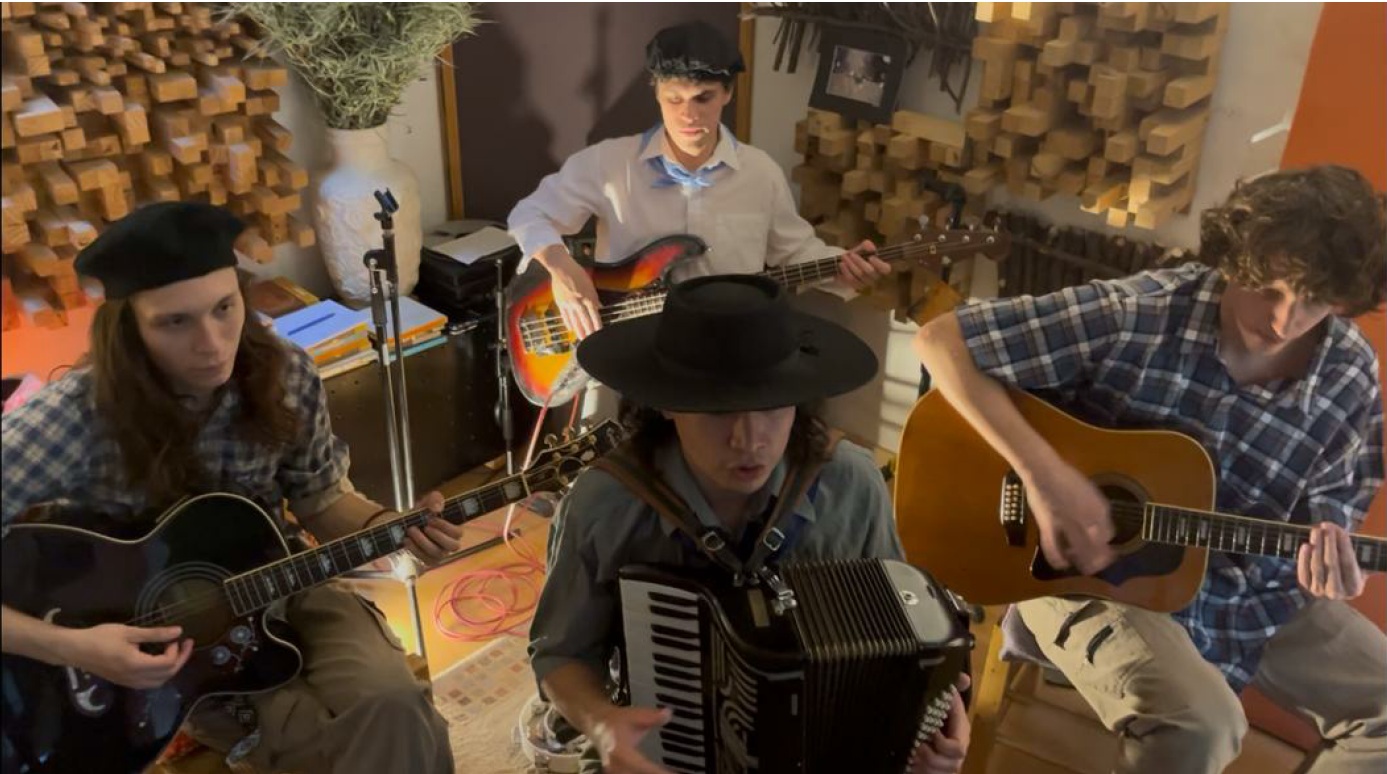
Winner song credits:
Valentino Nicouleau: acoustic guitar, composer and recording engineer.
Nicolas Dorelle: 12-string acoustic guitar, composer and recording engineer.
Federico Paz: electric bass, percussion, composer and recording engineer.
Leonardo Florentin: vocals, accordion, composer and recording engineer.
Marco Bailo: composer and music production.
No editing, overdubbing, or post-production was done on the track. It was recorded from start to finish in one take.
The EP is going to be called ‘Lobos Solitarios’, the same as the song. It will have 4 songs in total.
Download their winner song in
HD 96kHz/24bit
or
CD 44kHz/16bit
You may thank and support these Argentinian student musicians/enginners by a donation.
Lobos Solitarios in the media (Spanish)
https://agencia.unq.edu.ar/?p=36452
https://www.youtube.com/live/BqAqBbi2Bnc?t=4280s
Lobos solitarios , recording arrangement: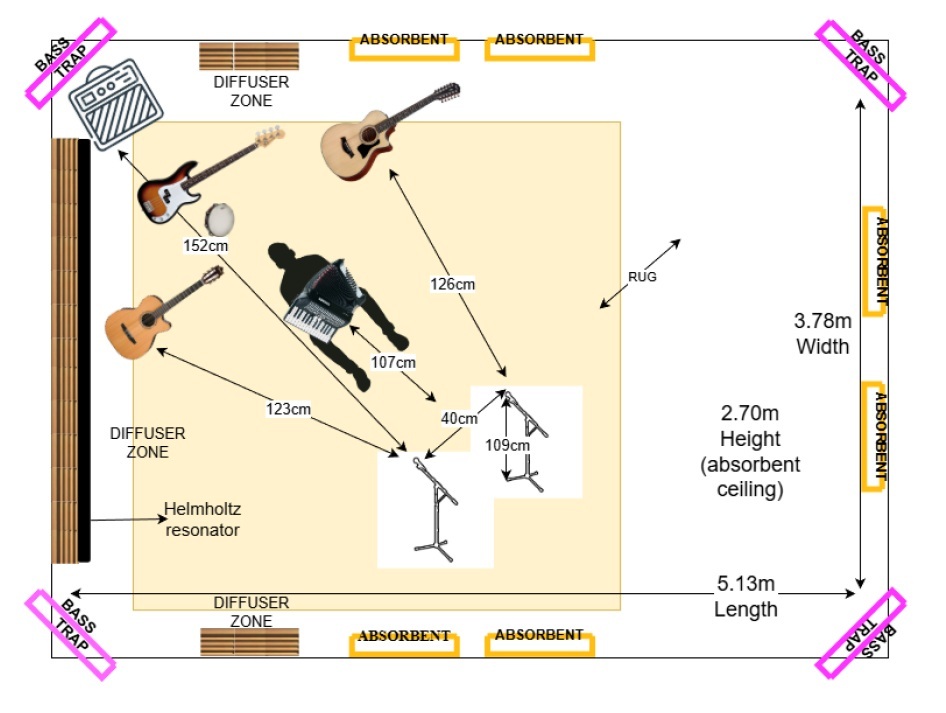
Now, we would like to encourage young sound engineers
to participate in the actual 2027 contest:

LINKWITZ.audio specializes in manufacturing replay systems. So, why do they care about the recording side?
Why are so few recordings done this way?
Why do we prefer to render minimally microphoned recordings on full-range dipole loudspeakers, such as LINKWITZ LX521.4MG, Magnepans, Quads or Martin-Logans?
Terms and Conditions
Participants agree to these terms and conditions by submitting their work.
Judging Criteria
ANNEX 1
List of One-Mic Experts in alphabetical order
Barry Diament / Soundkeeper Recordings, sr@soundkeeperrecordings.com
Doug W. Fearn / Outermarker Records, info@outermarkerrecords.com
Bob Katz / Digido.com, bobkatz@digido.com
Frans de Rond / Sound Liaison, info@soundliaison.com
plus more jury members
ANNEX 2
Remarks on an optional (not mandatory) Recording Format:
The recording room, along with the setup of musicians and microphones, dictates the result. While the recording format cannot remedy any upstream deficiencies, it can be the ‘icing on the cake’.
ANNEX 3
Tools for pure DSD256 recording
ANNEX 4
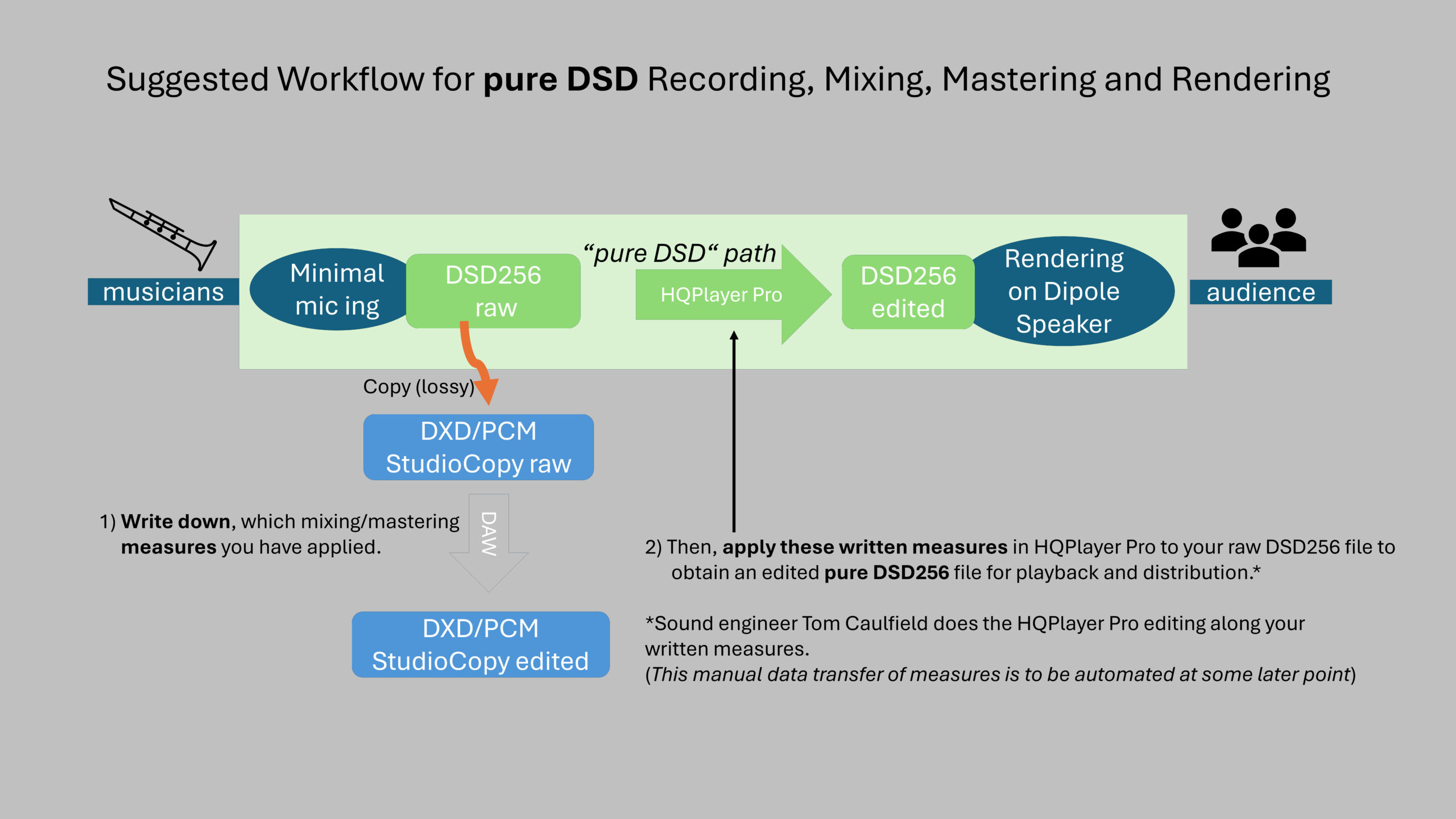
Suggested Workflow for pure DSD256 Recording and Post-Processing
To enroll to the contest,
start by contacting us via email
providing your address and contact details.
Partners:








Tom Caulfield,
sound engineer